

Pest Management
Pest management, also known as pest control, is the process of regulating, controlling, and managing populations of unwanted organisms, commonly referred to as pests. The primary goal of pest management is to minimize the negative impact of pests on human activities, the environment, and public health. Pest management strategies aim to prevent pest infestations, reduce pest populations, or eliminate pests when necessary.
Identification and Monitoring
Accurate identification of pests and regular monitoring of their presence are essential steps in pest management. It helps determine the extent of infestation and guides the selection of appropriate control methods.
Preventive Measures:
The first line of defense in pest management is prevention. This involves implementing practices and measures to minimize the likelihood of pest infestations. Examples include maintaining proper sanitation, sealing entry points, and using pest-resistant building materials.
Biological Control
Biological control methods use natural predators, parasites, or pathogens to control pest populations. This approach is often more environmentally friendly and sustainable. For example, releasing ladybugs to control aphids in gardens.
Chemical Control
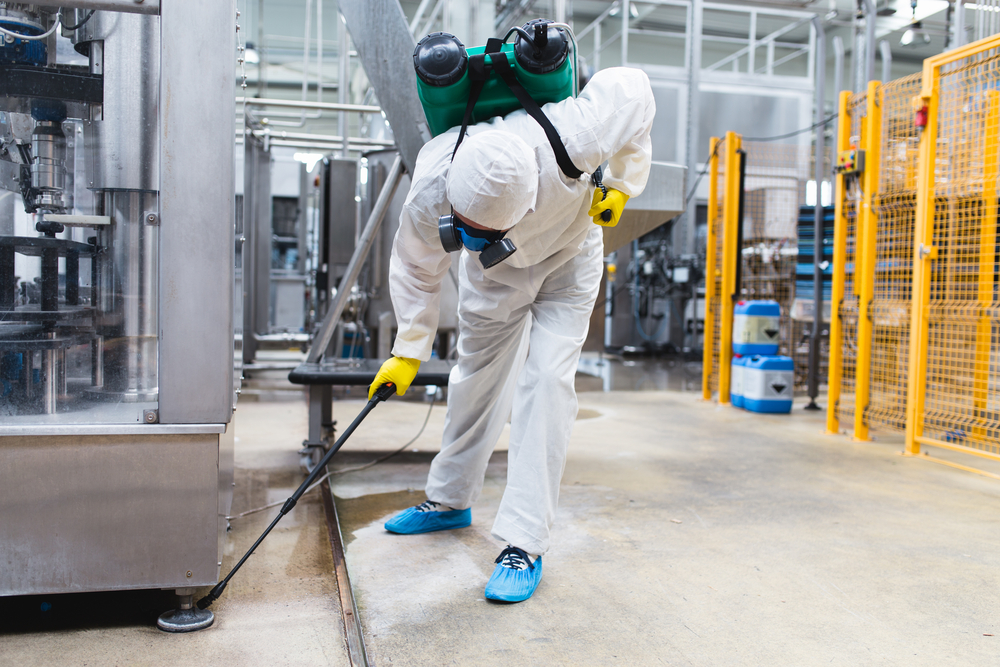
Chemical control methods involve the use of pesticides or chemical agents to manage pest populations. It may include insecticides, herbicides, fungicides, and rodenticides. Proper application and adherence to safety guidelines are crucial in chemical pest control.
Mechanical Control:
Mechanical control methods use physical barriers or devices to prevent pests from accessing a specific area or to capture and remove pests. Examples include traps, nets, and barriers.
Monitoring and Regular Inspections:
Regular inspections and monitoring are essential components of pest management. Pest professionals and property owners should check for signs of pests, assess the effectiveness of control measures, and make adjustments as needed.
Environmental Considerations:
Pest management should take into account the potential environmental impact of control methods. Using environmentally friendly and less toxic options whenever possible is increasingly important.
Health and Safety:
Pest management practices should prioritize the health and safety of humans and non-target organisms. Professionals should be trained in safe pesticide handling, and appropriate protective measures should be taken.
- Bedbugs treatments
- Cockroaches Treatment
- Termite Treatment
- Mouse, rodents and rats
- Mosquito and Flies Treatment
- Lizard treatments
- Birds Treatments
- Dogs, Snakes Treatment
- Daily periodic, and seasonal pest Management